
- France’s Macron says G7 will meet to discuss energy crisis in coming weeks
- QatarEnergy says Hormuz crisis may delay LNG expansion projects
- EU warns of energy price crisis, asks countries to consider curbing demand, letter shows
- Oman’s Minister of Energy inspects production facilities at Oman LNG
- Libya targets 4 billion cubic feet of daily gas production
- Egypt, ADNOC Drilling discuss expanding oil, gas partnership
- NOC signs production-sharing agreement with Chevron
- IMF’s Georgieva says global economy weathering energy shock, sees fiscal concerns
- Iraq aims to boost oil output to 8-10 million bpd in six years
- ADNOC and KPC lease supertankers for oil shipping to Asia
Kuwait readies $7 billion pipeline deal as Gulf turns to foreign capital
Gulf governments are stepping up infrastructure deals with foreign investors, with Kuwait set to launch an oil pipeline network stake sale as soon as February in a deal that could raise up to $7 billion, three sources with knowledge of the matter said.
The shift comes as oil prices, down more than 25% in two years, sit below levels needed to fund the Gulf’s diversification plans. Governments are now offering investors access to assets once off limits – from pipelines to power plants – to bring in pension funds, private equity firms and infrastructure specialists.
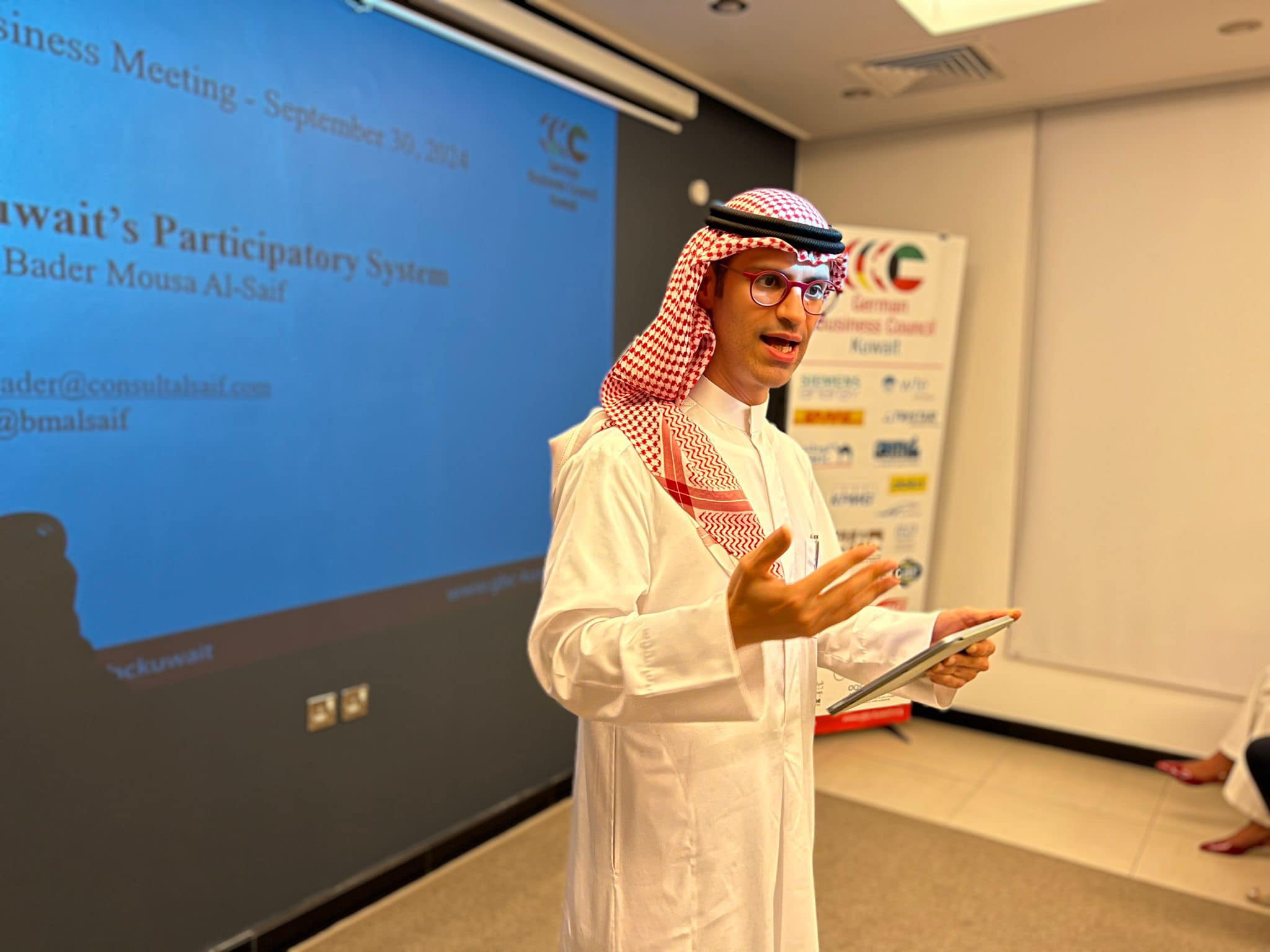
“The national transformation plans underway in the Gulf are bold and ambitious. It can’t be all funded from within,” said Bader Mousa Al-Saif, assistant professor of history at Kuwait University and associate fellow at UK policy institute Chatham House.
“Luring international markets in has been multi-directional and multi-sourced – coming from all parts of the Gulf and using all levers at hand to finance their way through.”
For the Kuwait deal, Kuwait Petroleum Corp has hired HSBC alongside JPMorgan and Centerview Partners as advisers, the sources said. HSBC is also arranging so-called “staple financing” which the buyers can use to back their purchase, four sources said, while advisers have begun sounding out investors, three sources said.
PIPELINE RETURNS ATTRACTIVE
For Gulf state firms, the stake sales allow them to free up capital for expansion and higher‑growth projects while retaining operational control. State oil companies are pursuing these deals despite having access to cheaper debt, partly to diversify funding sources and draw in long‑term institutional investors, sources and analysts have said.
A typical Gulf pipeline transaction gives investors a minority stake in a ring‑fenced entity with long‑term lease payments. Such deals have delivered returns of about 12% to 14% and offer exposure to investment‑grade issuers and stable dollar‑linked cashflows, two sources said.
Kuwait’s deal is expected to follow the model used across the region, three sources said, with the government retaining majority ownership and day-to-day control.
The deals are typically structured as U.S. Treasury yield plus the issuer’s credit spread plus a premium for the transaction, the sources said.
The model has also created a secondary market: In April 2024, BlackRock and KKR sold their 40% stake in ADNOC Oil Pipelines to Abu Dhabi-based Lunate, with KKR returning to invest in ADNOC’s gas assets less than a year later.
“It is the nature of the financial return that is so attractive; it is the sustainable, close to guaranteed income stream in a world where that’s harder to find,” said Ben Powell, BlackRock Investment Institute’s chief APAC and Middle East strategist.
Source: Reuters